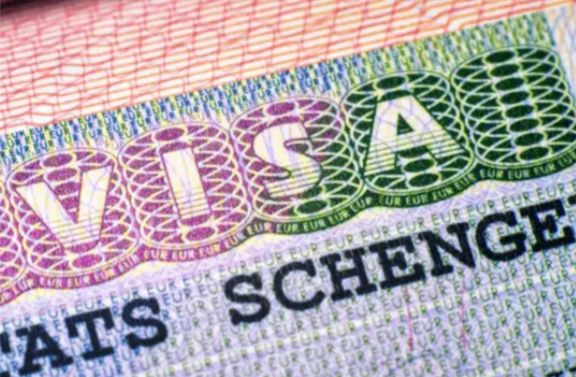
In 2023, Nigerians spent €3,435,200 on Schengen visa applications that were ultimately rejected, according to Schengen visa statistics. This significant sum is part of the €130 million collected globally by the European Union (EU) from rejected visa applications, with African and Asian countries shouldering 90% of these costs, as reported by EUobserver.
The report reveals that African nations, particularly Ghana, Senegal, and Nigeria, face high rejection rates of 40-50%. These figures do not include additional expenses from missed travel opportunities for business and leisure, or costs associated with legal advice and private agencies involved in visa processing.
This trend of visa rejections has been described as “reverse remittances,” highlighting that the non-refundable fees remain with EU governments regardless of the application outcome. Marta Foresti, founder of LAGO Collective and senior visiting fellow at the Overseas Development Institute, emphasized the impact, stating, “Visa inequality has very tangible consequences and the world’s poorest pay the price. We need to address these costs when discussing aid or migration.”
Morocco and Algeria lead in the number of visa applications to the EU. Data indicates that rejection rates for short-term visitor visas to Europe and the UK are disproportionately higher for applicants from low and middle-income countries.
The total cost of Schengen visa rejections rose to €130 million in 2023, up from €105 million in 2022. This cost is expected to increase further in 2024, as the EU visa application fee for adults is set to rise from €80 to €90 on June 11, following a recent decision by the EU Commission.
 Instant News Blog
Leave a comment