The Paramount Ruler of Iwo, Osun State, Oba Abdulrosheed Adewale Akanbi, discusses his opposition to idol worship, the role of traditional institutions, and his experience at Hajj with BIODUN BUSARI.
Your aversion to idol worship is well-known. Have any of your chiefs or kingmakers expressed displeasure with this stance?
First of all, I give glory to the Almighty God, the King of kings. Worshipping idols is a matter of the heart and not tied to the institution of kingship, which is a Godly institution. God enthroned the first king, Adam. In Yoruba history, we should ask if Oduduwa, the progenitor of the Yoruba people, worshipped idols like Sango, the god of thunder.
The title ‘Kabiyesi’ or ‘Oba’ is synonymous with God Almighty. God appoints kings as His representatives, making them heirs of Olodumare. Kings should bring people closer to God, not idols. Allegiance to God must be total.
The troubles in Yorubaland stem from kings choosing other masters over God. No historical record shows kings worshipping idols. Oduduwa predates Ogun (the god of iron) and Sango. Kings worshipping these deities is an insult to their office. Even historically, it doesn’t make sense for a king to worship another man’s wife, like Oya, Sango’s wife.
The notion that deity worship is central to Yoruba culture is false. Our traditions include clothing, greetings, and other cultural practices, not idol worship. Idolatry is a creation of man, not our true identity as Yoruba people.
Do the chiefs and kingmakers in Iwoland align with your belief in the Almighty God and your opposition to idol worship?
Many chiefs and kingmakers create problems for kings. Some are not friends of the king and want different kings on the throne frequently to benefit financially from installations. It’s the king’s duty to lead people towards God. I must correct the mistakes of my forefathers. Tradition evolves; for instance, we no longer use cattle faeces to paint houses or mark faces with tribal scars.
I’m a reformist, and I aim to reform the traditional institution, promoting true Yoruba culture and fashion. Idol worship is not part of our heritage.
Do you face opposition in your kingdom concerning this?
As the driver of my kingdom, I steer the direction towards greatness, and my people love me for it. I move freely among my people because of my allegiance to God. Kings should serve their people diligently, treating them as kings, not slaves.
There is a belief that Yoruba kings must join an occult group before ascending the throne. Can you address this perception and share your stance on it?
I do not subject my crown to idols or occult practices. I am ordained by the King of Kings. Deities are creations of man, not the Almighty. My legacy is to introduce God to everyone I meet. Worshipping idols or belonging to occult groups is beneath the dignity of kingship.
Do you have a relationship with other traditional rulers in Yoruba land, and how cordial is it?
Yes, but each king has their own philosophy. I uphold my principle of worshipping God and promoting His sovereignty above all.
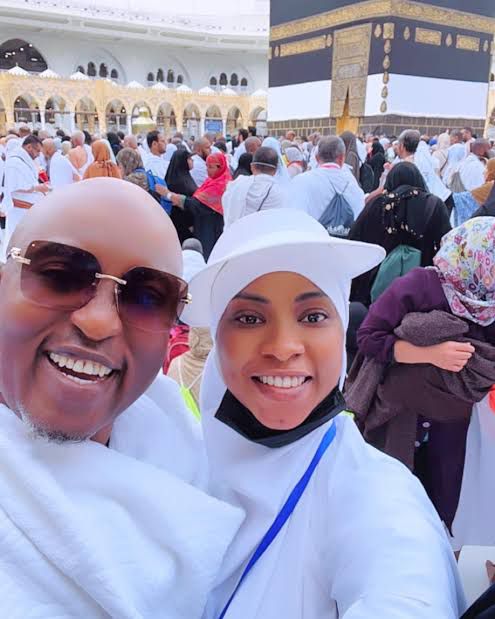
There were widespread criticisms regarding your decision not to cover your head during the recent Hajj in Mecca. Could you explain the reasoning behind this choice?
I respect and serve God. At Hajj, we dress simply, fulfilling one of the pillars of Islam. People can be ignorant, but I focus on my relationship with God, not on market noise. The invisible crown of authority from God matters more than any physical crown. My actions are in obedience to God.
What roles should traditional institutions play in contributing to the betterment of the country?
Traditional rulers have significant roles but lack recognition and support. Empowered kings can enhance security and governance at the grassroots level. Kingship should be respected and supported, particularly in funding and autonomy, to serve their communities effectively.
You are close to President Bola Tinubu, and Nigerians are facing hardships under his administration. Have you reached out to him about this?
The President genuinely cares about the people. He should persist in improving the country, addressing corruption decisively, and promoting food self-sufficiency. Legislation against corruption should be stringent, ensuring national wealth benefits all citizens. Governors must also ensure resources reach all communities. Recognition and empowerment of traditional rulers are crucial for effective governance.
 Instant News Blog
Leave a comment