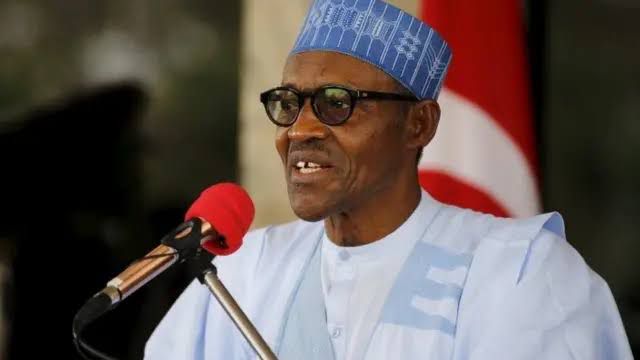
The London Clinic, one of the United Kingdom’s most elite private hospitals, has drawn global attention following the death of Nigeria’s former President, Muhammadu Buhari, who passed away at the facility on Sunday, July 13, 2025.
Buhari, aged 82, was reportedly admitted alongside former Head of State, Gen. Abdulsalami Abubakar. While Abubakar recovered and was discharged, Buhari succumbed after a sudden relapse in the Intensive Care Unit (ICU), despite prior signs of recovery.
According to his nephew, Mamman Daura, the former president was in “high spirits” the night before his death and was anticipating discharge.
“I left him at 9 p.m. on Saturday. He was cheerful and looking forward to Sunday’s doctor visit. But around midday, he developed breathing difficulties. Despite urgent medical attention, he passed away around 4:30 p.m.,” Daura said.
Though the cause of death was not disclosed, Buhari had long battled health issues, with multiple medical trips abroad during and after his presidency.
Founded in 1932 and nestled on Harley Street in central London, The London Clinic is renowned for its cutting-edge technologies and high-end medical services. It boasts 13 ICU beds, 10 theatres, five cancer support centres, and approximately 900 consultants and physicians. The hospital serves over 120,000 patients annually, including royalty and global political figures.
Its specialties span oncology, orthopaedics, spinal and robotic surgeries, gastroenterology, and neurosurgery. It also houses advanced diagnostic systems including 3T Siemens MRI, PET-CT, and da Vinci Xi robotic surgery systems.
A UK-based Nigerian doctor familiar with the clinic described it as “the best-equipped private hospital in the UK, with top-tier staff, high-profile patients, and tailored care plans.”
Consultation fees range from £100 to £750, while ICU care costs about £3,000 to £3,500 per night. Luxury rooms reportedly go for up to £2,500 per night.
Buhari had reportedly travelled to the UK in April 2025 for a routine check-up but fell critically ill during his stay. His death was announced by his former spokesperson, Garba Shehu, who said: “May Allah accept him in Aljannatul Firdaus.”
The passing has reignited debates over Nigeria’s broken healthcare system and the long-standing trend of medical tourism among its elite.
Between 2015 and 2023, Buhari spent at least 225 days abroad for medical care. He made at least six major trips to the UK for undisclosed treatments, including a 104-day stay in 2017. His foreign medical excursions were consistently defended by aides, including former spokesman Femi Adesina, who argued that Buhari trusted a medical team he had used for over 40 years.
However, critics say this undermines confidence in Nigeria’s health infrastructure.
In 2021, Buhari approved the construction of a 14-bed Presidential VIP Wing at the State House Clinic, budgeted at ₦21 billion. As of March 2022, ₦10.06 billion had reportedly been spent, and the facility was said to be 80% complete. Yet, Buhari continued seeking treatment abroad until his final days.
His successor, President Bola Tinubu, has followed suit. Since taking office, Tinubu has made multiple medical trips to France, costing taxpayers millions.
Records show that Nigeria has spent at least ₦13.4 billion on foreign medical trips for presidents between 2007 and 2022, with Buhari, Jonathan, and Yar’Adua collectively accounting for dozens of international visits.
Medical professionals in Nigeria have condemned the continued preference for foreign treatment by the nation’s leaders.
President of the Nigerian Association of Resident Doctors (NARD), Dr. Tope Osundara, called the trend “a betrayal of public trust,” adding, “Leaders who don’t use the systems they build are indirectly discrediting them.”
He criticised Femi Adesina’s comment that Buhari could have died if he had used a Nigerian hospital, saying it “perpetuates a dangerous and false narrative” about Nigerian doctors.
“There are examples of high-profile Nigerians, including former Vice President Yemi Osinbajo, receiving successful treatment at home. Our professionals are competent; it’s the infrastructure that’s lacking,” he added.
Nigerian Medical Association President, Prof. Bala Audu, stressed that while medical tourism isn’t inherently wrong, consistent reliance on it by leaders is a “clear indication of failed priorities.”
“When those entrusted with strengthening the health sector refuse to use it themselves, it undermines faith in the system,” he said.
He outlined three priorities for reform: focusing on personnel, equipment, and work environment. “Our doctors are dedicated, often working in extremely challenging conditions. It’s not about competence but capacity,” Audu explained.
Reacting to Adesina’s remarks, he said: “Suggesting one must travel abroad to survive is offensive and scientifically unfounded.”
The President of the Medical and Dental Consultants’ Association of Nigeria, Prof. Muhammad Muhammad, urged the government to support both public and private healthcare institutions.
He advocated replicating strategies used in India and Egypt, where tax breaks, import waivers, and financing options have helped build world-class health facilities.
“If we create an enabling environment for private super-speciality hospitals, we can reduce capital flight, boost employment, and improve healthcare outcomes locally,” he said.
As the nation mourns a former leader who spent much of his final decade seeking treatment abroad, the call for healthcare reform has grown louder. Experts and citizens alike now demand a health system that serves every Nigerian—rich or poor—at home.
 Instant News Blog
Leave a comment