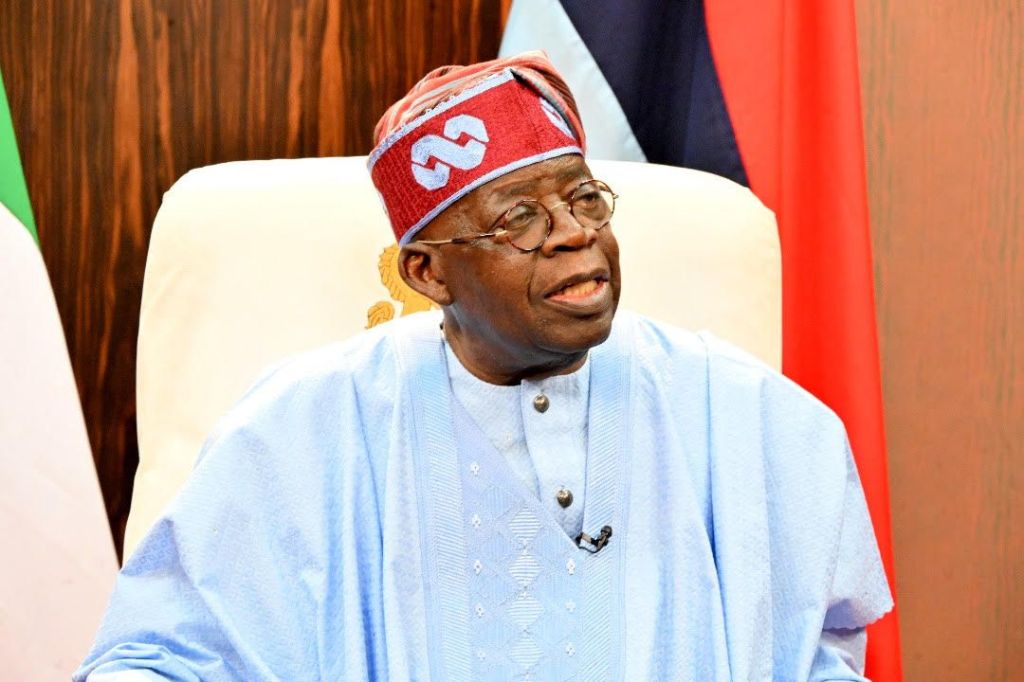
The World Bank says Nigeria’s ongoing economic reforms under President Bola Tinubu’s administration have started producing positive macroeconomic outcomes, though the benefits are yet to translate into improved living conditions for most citizens.
This was contained in its latest Nigeria Development Update (NDU) report, released on Wednesday in Abuja, titled “From Policy to People: Bringing the Reform Gains Home.” The report reviews Nigeria’s recent economic performance and highlights key policy steps needed to ensure that reform gains lead to inclusive and sustainable growth.
According to the World Bank, Nigeria’s economy grew by 3.9 percent year-on-year in the first half of 2025, up from 3.5 percent during the same period in 2024. The growth was attributed to stronger performance in the services and non-oil sectors, alongside improvements in oil production and agriculture.
The report also observed that Nigeria’s external position had improved, with foreign reserves rising above $42 billion and the current account surplus expanding to 6.1 percent of Gross Domestic Product (GDP). Fiscal indicators also showed progress, as the federal deficit remained steady at 2.6 percent of GDP despite lower oil prices, while public debt was projected to decline from 42.9 to 39.8 percent of GDP—the first such reduction in over a decade.
However, the Bank cautioned that macroeconomic stability had yet to bring tangible relief to households, as food inflation and poverty levels remain elevated. It noted that the cost of a basic food basket had increased nearly fivefold between 2019 and 2024, putting immense pressure on low-income families.
“The Nigerian government has taken bold steps to stabilise the economy, and these efforts are beginning to yield results,” said Mathew Verghis, World Bank Country Director for Nigeria. “But macroeconomic stability alone is not enough. The true measure of success will be how these reforms improve the daily lives of Nigerians—especially the poor and vulnerable.”
The report outlined three urgent priorities for Nigeria: tackling food inflation by removing trade barriers and addressing structural bottlenecks in agriculture and logistics; improving the efficiency and transparency of public spending; and expanding social protection systems through regular, domestically financed cash transfers and safety nets for vulnerable households.
Samer Matta, the Bank’s Senior Economist for Nigeria, noted that while the economic outlook remains “cautiously optimistic,” with growth projected to rise from 4.2 percent in 2025 to 4.4 percent in 2027, inflation will continue to pose a major challenge.
“Food inflation remains the biggest tax on the poor,” Matta said, stressing the need for sustained monetary discipline and continued structural reforms to ensure the benefits of recovery reach ordinary Nigerians.
 Instant News Blog
Leave a comment