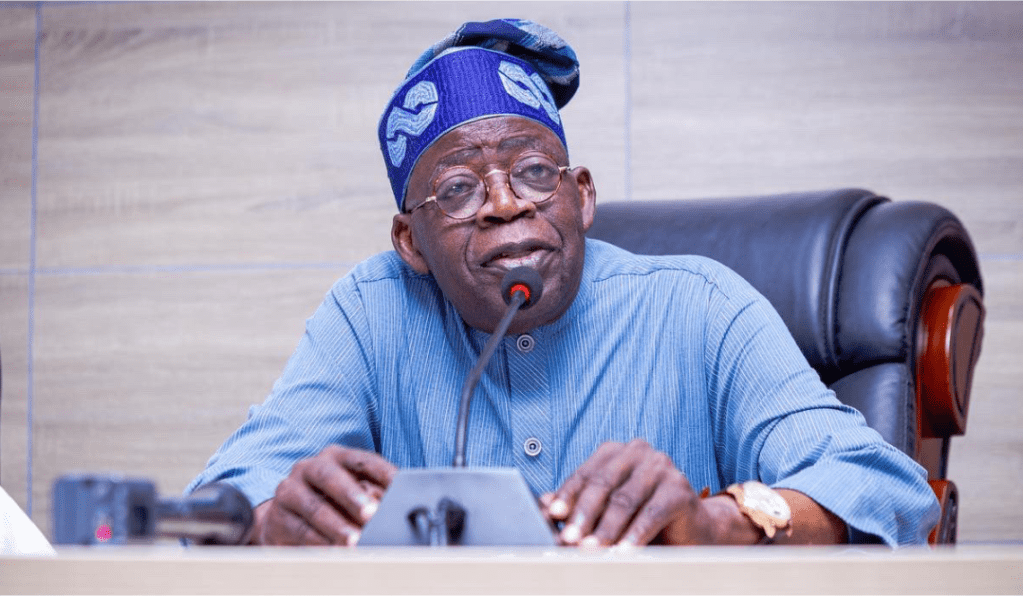
President Bola Ahmed Tinubu’s recent pardon of 175 convicts, including drug traffickers, illegal miners, kidnappers, coup plotters, and corrupt politicians, has sparked widespread criticism, outrage, and suspicion of political motives across Nigeria.
While the Presidency insists the decision was guided by compassion and constitutional authority, many Nigerians — including former Vice President Atiku Abubakar and rights groups — have condemned the move as an abuse of presidential privilege and a setback for justice and accountability.
Shortly after the Council of State meeting, President Tinubu announced clemency for the 175 individuals under the prerogative of mercy granted by Section 175 of the 1999 Constitution (as amended).
According to the Special Adviser to the President on Media and Strategy, Bayo Onanuga, the beneficiaries include 41 illegal miners, 28 drug traffickers, 22 convicted murderers, several foreigners, coup plotters, and corrupt politicians such as Professor Magaji Garba, Maryam Sanda, and posthumous pardons for Major-General Mamman Vatsa, Ken Saro-Wiwa, and the Ogoni Eight.
Onanuga explained that the clemency was granted after reports showed the convicts had demonstrated remorse, good behaviour, and in some cases, advanced age or rehabilitation through education and vocational training.
He noted that some had also enrolled in the National Open University of Nigeria (NOUN) while in custody.
However, the decision has ignited one of the most heated debates in recent years over the limits of executive power and the moral boundaries of state mercy.
Leading the wave of criticism, former Vice President Atiku Abubakar described the pardons as reckless and conniving, accusing President Tinubu of eroding the moral authority of leadership.
“When a government begins to absolve offenders of the very crimes it claims to be fighting, it emboldens lawlessness and undermines justice,” Atiku said in a statement.
He argued that Tinubu’s decision “sends a dangerous signal to Nigerians and the international community” at a time when insecurity, drug abuse, and corruption are on the rise.
“At a time when our youths are being destroyed by narcotics, it is shocking that 29.2 per cent of those pardoned were convicted for drug-related crimes,” he said, adding that the move “diminishes the sanctity of justice and trivialises national values.”
Atiku also referenced Tinubu’s past brush with drug-related allegations in the United States, warning that the action “further undermines confidence in Nigeria’s justice system.”
A cross-section of legal experts and rights activists have also questioned the rationale behind releasing convicts of violent crimes and corruption, describing it as poor judgment and misuse of discretion.
Legal practitioner Joel Ighalo wrote on X (formerly Twitter):
“Why are you releasing people convicted of murder, human trafficking, and other heinous crimes who haven’t served half their sentences? It’s a bastardisation of the prerogative of mercy.”
Similarly, the Human Rights Writers Association of Nigeria (HURIWA) denounced the clemency as a “dangerous contradiction” to the government’s stated war against drug abuse and criminality.
“It is an insult to national intelligence that political considerations, including the 2027 elections, appear to be influencing decisions on mercy, even as the presidency cites financial regulations to block legitimate anti-drug funding,” said Comrade Emmanuel Onwubiko, HURIWA’s National Coordinator.
The Attorney General of the Federation, Lateef Fagbemi (SAN), has previously proposed reforms to exclude corrupt politicians from benefiting from presidential pardons, arguing that clemency should never be used to shield public officials from accountability.
“I will suggest in our next constitutional review that those found guilty of corruption be excluded from benefiting from the prerogative of mercy,” Fagbemi said at a recent ICPC roundtable in Abuja.
From President Shehu Shagari’s amnesty for Chukwuemeka Ojukwu in 1982 to Goodluck Jonathan’s controversial pardon of Diepreye Alamieyeseigha in 2013, presidential clemency in Nigeria has long oscillated between reconciliation and political indulgence.
While Olusegun Obasanjo and Umaru Musa Yar’Adua used the power to redress past injustices and foster peace, notably through the Niger Delta Amnesty Programme, critics have consistently accused successive administrations of politicising the process.
Under Muhammadu Buhari, clemency for ex-governors Joshua Dariye and Jolly Nyame; both convicted of corruption, provoked public outrage despite government claims of humanitarian grounds.
President Tinubu’s latest pardon, which blends symbolic posthumous gestures with controversial releases, has revived the same debate over whether mercy has once again been reduced to a political tool.
Legal analyst Akeem Aponmade explained that while Section 175 empowers the President to grant amnesty or clemency, “the key issue is not legality but transparency.”
He said:
“The framers of the Constitution must have realised that few offences are victimless. Victims deserve to know why those who wronged them are being pardoned.”
Aponmade suggested publishing clear guidelines and consulting victims’ families before future pardons to prevent the process from appearing arbitrary or politically driven.
Across all reactions, one message remains consistent: while mercy is a noble constitutional power, its use demands caution, fairness, and transparency.
For victims, legal practitioners and the wider public, Tinubu’s decision has reopened an age-old national dilemma; how to balance compassion with justice in a system where political privilege too often overshadows accountability.
As one rights advocate put it, “Mercy without justice breeds impunity and impunity is the root of Nigeria’s greatest challenges.”
 Instant News Blog
Leave a comment