The House of Representatives has approved an upward review of campaign spending limits for candidates seeking elective offices in Nigeria, doubling the ceiling for presidential candidates from ₦5 billion to ₦10 billion ahead of the 2027 general elections.
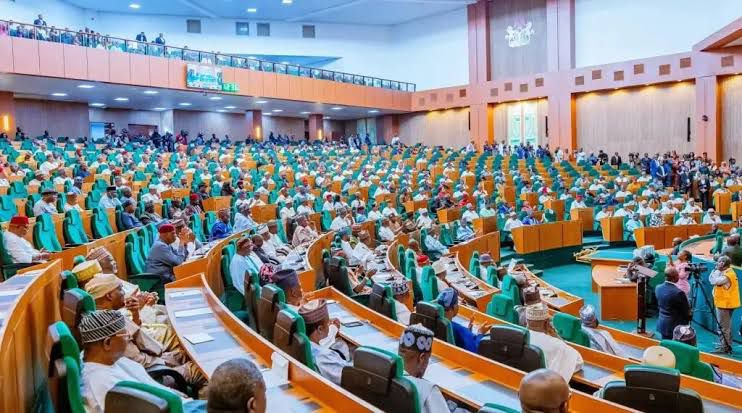
The decision was taken at Thursday’s plenary following a clause-by-clause consideration of a report on proposed amendments to the Electoral Act 2022.
Under the approved amendments, lawmakers raised the maximum amount a presidential candidate may spend on election campaigns from the ₦5 billion stipulated in the existing law to ₦10 billion.
Spending limits for other elective offices were also significantly increased. The ceiling for governorship candidates was reviewed upwards from ₦1 billion to ₦3 billion, while senatorial candidates can now spend up to ₦500 million, compared to the previous ₦100 million limit.
For candidates seeking election into the House of Representatives, the campaign expenditure cap was increased from ₦70 million to ₦250 million.
At the state level, candidates contesting seats in state houses of assembly will now be permitted to spend up to ₦100 million, up from the former ₦30 million ceiling.
The House also approved higher spending limits for local government elections. Under the amendment, chairmanship candidates may now spend a maximum of ₦100 million, compared to ₦30 million previously, while the cap for councillorship candidates was raised from ₦5 million to ₦10 million.
In addition to revising expenditure ceilings, lawmakers approved a substantial increase in the maximum amount an individual or organisation may donate to a candidate, raising the donation cap from ₦50 million to ₦500 million.
The amendments form part of ongoing legislative efforts to review Nigeria’s electoral framework ahead of the 2027 polls.
Earlier in the week, the House also approved a separate proposal mandating the real-time electronic transmission of election results, underscoring a broader push for electoral reforms.
The proposed amendments to the Electoral Act 2022 will only take effect after concurrence by the Senate and assent by the President.
 Instant News Blog
Leave a comment